Story by Jodi Samuels
It is difficult to imagine life without everyday cosmetic items, but the hard reality behind the products that accentuate beauty and luxury comes with a heavy cost. With the global community facing an environmental crisis amidst climate change, there has been a major response on both sides as consumers begin to demand sustainably sourced ingredients and accountability regarding business practices. However, the question to be answered is if it is a little too late to see real change.
the ugly truth about what beauty does to our environment
A single item that is purchased can be engulfed in – cellophane, foam, paper wrapping, paper inserts, film, and plastic – which often does not go through a second life of being recycled. A report from Zero Waste indicates that the cosmetics industry produces over 120 billion units of packaging each year. Not only is that mountainous but only 9% of plastics produced from 1950 to 2015 have been recycled, with 79% of that waste sitting in landfills.
Also, over 8 million tons of plastic end up in the oceans where the ecosystems of marine life is gravely compromised which in turn contaminates the very food people consume. The Independent, an online publication, reports on a study that shows that one in three fish caught in UK had eaten plastic.
Recently, the Food and Drug Administration have changed gears and have launched a survey into the cosmetic industry about current manufacturing practices from 900 companies selected at random to regulate content limits. This has been largely in response to consumer concerns about “heavy metals” (i.e. lead, mercury) and “toxic metals” in products such as lipsticks.
In the U.S., this will be the most significant regulatory move as the cosmetics company in the U.S. has gone self-regulated for well over a century. The Personal Care Products Council (PCPC) – an incarnation of a 1894 version – exists as a third-party reviewer but one that is funded by the same industry it watches. Along with the FDA’s initiative, Congress may join suit as well with further regulation and accountability through recalls and annual investigations.
The American Cancer Society report addresses about consumers having increasing fears of potential health effects as artificial chemicals such as parabens – preservatives – which are in higher content versus food products and antiperspirants- may induce side effects ranging from allergic reaction to cancer.
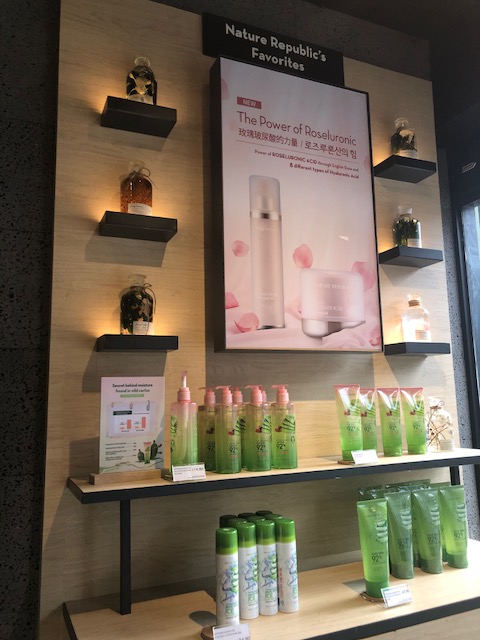
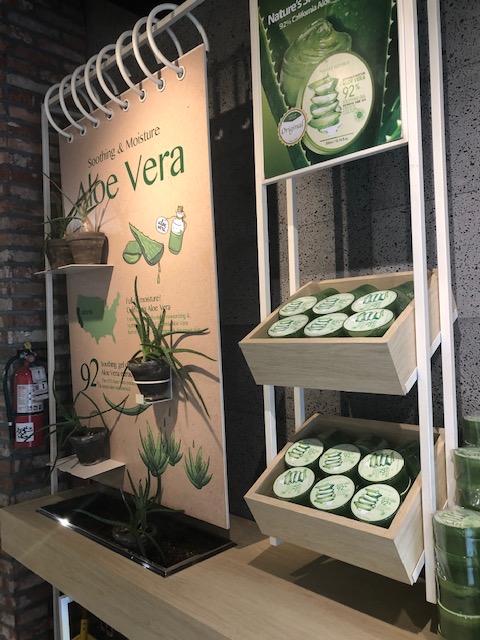
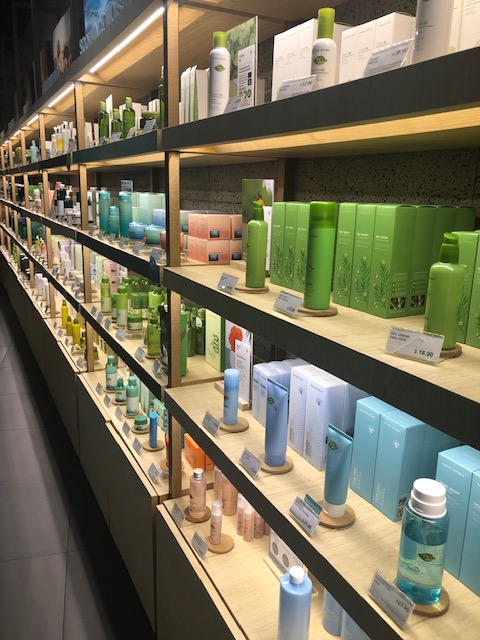
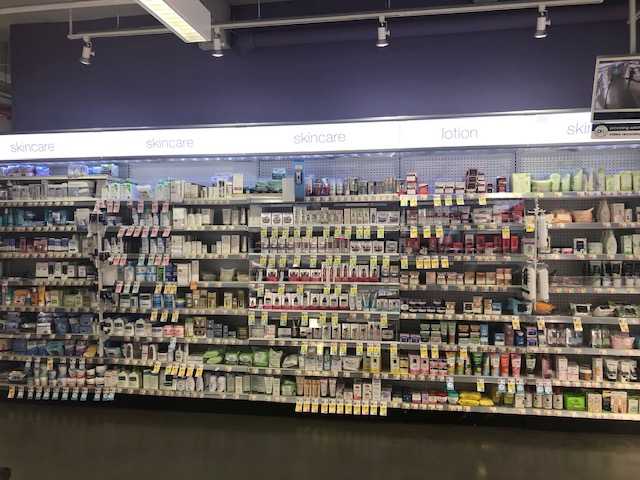
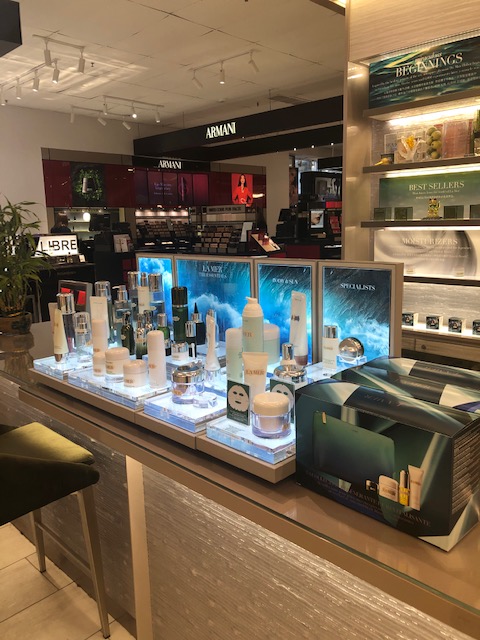
Shopping in Flushing.
sustainability matters
When it comes to the environment, many in the cosmetics industry are seeking a way to fight controversial practices. How ingredients are sourced present a major issue as hot topics such as palm oil – an elixir of the industry – has come under fire as farming and harvesting the tree for its oils has caused massive deforestation and species extinction.
Palm oil can be found in half of consumer products on the market and 70% of cosmetic products. It is coveted for enhancing beauty products such as making lipstick and lip gloss shinier and creating a smooth makeup foundation. About 20% of palm oil producers have committed to producing it are certified sustainable – by promising not to cut down any more forests.
Suzette B. Lobo, a Quality Control Manager of a chemical wholesale distributor New Jersey says that she stands by the products the company takes in. Her responsibility is to ensure the product that comes through the lab passes the the companies high standard. The company itself had committed itself to support sustainability and green programs. “I oversee the chemist and technician and their work which is reviewing gas chromatography chemical analysis for aroma chemicals and essential oils. So basically, whichever raw ingredients that go into food, perfumes, and flavors – we test that.”
“As for our products, they are sourced mainly from overseas and a few places in the U.S. for raw materials. Them being sustainable that really depends on the product which come from China or India. The business caters to both natural and synthetic chemicals – we do not determine the output of the end product. Some clients need natural, synthetic or both.”
She does not generally see a major spike regarding a need for natural products from her company because it is primarily based on business needs. The company though offers a range of capabilities ranging from but not limited to Kosher, Halal, organic compliant, and Non-GMO.
what do customers say?
“No. Wasn’t there a point in time they were using animal testing? I was conscious of that. When I buy my items, it’s the brand that I usually buy. I just really thought that if they did not do animal testing then they would be conscious of everything. But I would be open to researching my products now,”
– says Paula Morrow, a tourist from New Mexico. Ms. Morrow was asked whether her cosmetic brand choice would be influenced based on environmental responsibility.
Loraine T, Queens: I don’t buy makeup. Otherwise, I never cared or thought of that. I was just more concerned with natural ingredients for my skin because of excessive chemicals. Going forward I’m not really concerned with that; I wouldn’t look into environmental issues. I know pollution is bad, but I don’t think it directly impacts me what’s going on or would make me change how I buy.
– says Loraine Thompson, a Queens local. She stated she was not influenced by environmental issues because they did not create any obvious issues with her lifestyle.
Purchasing power has managed to shake up the cosmetics industry as consumers are demanding accountability from the businesses they give their dollars to. The “natural” brand has become a lucrative branding tactic for many companies but some of the major companies such as Garnier are pulling their weight in investing in programs encouraging sustainability and environmentally responsible practices. An article from Harper’s Bazaar lists Garnier as one of the cosmetic giants that have partnered with the volunteer-run recycling company TerraCycle that wants to lead in recycling “hard-to-recycle” waste. This may be a boon for consumers concerned with the current state of the industry but there are still many that remain indifferent.
For more information about the cosmetic industry and environment, click below:
Antiperspirants and Breast Cancer Risk
Beauty Laid Bare: The ‘gritty’ truth about your cosmetics
Beauty and the environment: Eco-friendly choices made easier
Glitter should be banned over environmental impact, scientists warn
FDA to Survey Cosmetics Industry on Current Manufacturing Practices
FDA’s Testing of Cosmetics for Arsenic, Cadmium, Chromium, Cobalt, Lead, Mercury, and Nickel Content
 Beyond the Fold: Think Something New